
Schools / NGOs
PROGRAMS FOR SCHOOLS/NGOS
Aaheli Foundation offers a comprehensive 360-degree program that empowers every stakeholder within the school ecosystem. Our initiatives include age-appropriate sessions for students, professional development workshops for teaching and non-teaching staff, awareness and guidance programs for parents, and institutional safety systems, policy implementation, and safety audits for school management.
The core objective of these programs is to create a safe, informed, and supportive school environment by strengthening the physical, emotional, and sexual well-being of every student. To learn more, please select the program that best matches your area of interest.
Contact Aaheli Foundation
Phone number : +91 9620293396
Email : aaheliadiba@gmail.com
The Need
Child safety and well-being remain critical concerns in India. A national study on child abuse conducted by Kacker et al. (2007) for the Ministry of Women and Child Development found that 53% of the 12,447 children surveyed had experienced some form of sexual abuse, with the majority of perpetrators being someone known to the child. Further research by Carson et al. (2014) estimates that between 18% and 50% of India’s population may experience some form of sexual abuse during their lifetime.
Beyond the risk of abuse, children also grow up navigating social norms, gender stereotypes, and expectations that shape their understanding of themselves and others. Those whose gender identity or expression does not conform to traditional binary norms often face discrimination, exclusion, and emotional distress. In patriarchal and heteronormative environments, societal rewards and punishments reinforce rigid expectations, making it more difficult for children to develop with confidence, safety, and dignity.
These realities underscore the need for comprehensive, age-appropriate education and school-wide safety initiatives that empower children, equip adults to respond effectively, and foster inclusive, respectful, and secure learning environments for every student.
The Premise
Every child has the fundamental right to live in safety, with dignity, respect, and equal opportunity. We believe that when children are provided with age-appropriate knowledge, they are capable of recognizing unsafe situations, understanding personal boundaries, and seeking help when needed. With timely and professional support, children who experience abuse can recover, build resilience, and continue to thrive.
Open, evidence-based conversations around body safety, sexuality, consent, and gender equity help children develop healthy attitudes toward themselves and others without attaching shame, fear, or stigma to their bodies. Such education encourages empathy, mutual respect, and inclusive behaviour while empowering children and adolescents to identify, prevent, and report abuse with confidence. It also equips young people to navigate puberty and personal development in a healthy, informed, and dignified manner, contributing to safer schools and stronger communities.
The World Health Organization (WHO, 2018) recommends Comprehensive Sexuality Education (CSE) as an essential component of child and adolescent development and highlights the following key benefits:
There is strong evidence demonstrating the positive impact of Comprehensive Sexuality Education (CSE) on the health and well-being of children and adolescents. Research shows that CSE:
Improves knowledge and understanding of sexual and reproductive health.
Promotes healthy attitudes, values, and responsible decision-making.
Encourages respectful relationships, consent, and gender equality.
Does not increase sexual activity, risky sexual behaviour, or the incidence of sexually transmitted infections (STIs) or HIV, whether delivered in schools or through community-based programs.
Research indicates that comprehensive, evidence-based sexuality education is more effective than approaches that rely solely on abstinence. Key findings include:
Abstinence-only programs have not been shown to effectively delay sexual initiation, reduce the frequency of sexual activity, or decrease the number of sexual partners. In contrast, comprehensive programs that encourage delaying sexual activity while providing accurate, age-appropriate information have demonstrated better outcomes.
Gender-responsive programs are significantly more effective than gender-neutral approaches in improving health outcomes, including reducing unintended pregnancies and sexually transmitted infections (STIs), by addressing gender norms, equality, and respectful relationships.
School-based sexuality education is most effective when reinforced through the active involvement of parents, teachers, teacher-training institutions, and access to youth-friendly health and support services, creating a consistent and supportive learning environment for children and adolescents.
Developing the Curriculum: Foundation and Guiding Principles
The Aaheli Foundation curriculum is developed using an evidence-based, age-appropriate, and rights-based approach that reflects the developmental needs of children and adolescents. It integrates national and international best practices while remaining sensitive to the cultural and social context of schools. The curriculum is designed to promote safety, well-being, gender equity, and healthy development through interactive, engaging, and inclusive learning experiences.
The guiding principles of the curriculum include scientific accuracy, child protection, inclusivity, respect for diversity, gender sensitivity, and active participation. Every module is structured to equip children with practical knowledge, life skills, and confidence while enabling educators, parents, and school management to create a safe, supportive, and nurturing learning environment.
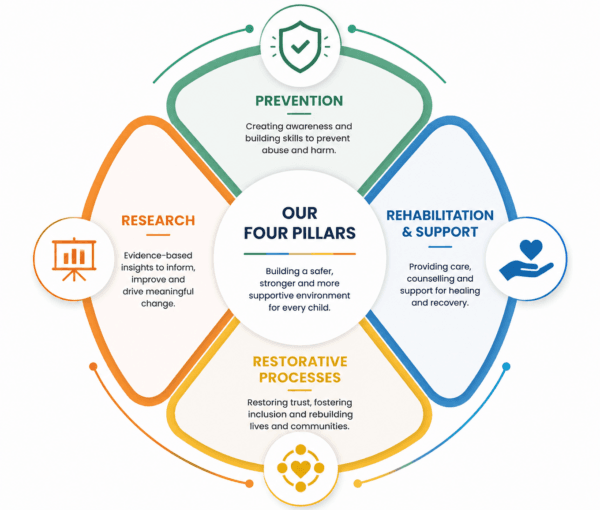
Aaheli Foundation follows International Conventions and National Laws and Policies
Aaheli Foundation’s programs are guided by the principles of the United Nations Convention on the Rights of the Child (UNCRC), ratified by India in 1992. These principles form the foundation of our curriculum, ensuring that every child is treated with dignity, respect, and care.
Our work is built around the following core principles:
Best Interest of the Child – Every decision and intervention prioritizes the safety, well-being, and holistic development of the child.
Principle of Safety – Creating secure physical, emotional, and digital environments where children can learn, grow, and thrive.
Confidentiality – Respecting the privacy of children and families while handling sensitive information with professionalism and care.
Child Participation – Encouraging children to express their views, ask questions, and actively participate in matters that affect their lives.
Equality and Non-Discrimination – Ensuring every child is treated fairly, regardless of gender, ability, religion, caste, socioeconomic background, or identity.
Aaheli Foundation promotes gender equity, comprehensive sexuality education, and personal safety through a holistic, school-wide approach. Our 360-degree programs engage students, parents, teachers, non-teaching staff, and school management to build awareness, strengthen life skills, and establish safe, inclusive, and child-friendly learning environments. Every workshop is designed to address one or more of these focus areas, equipping participants with the knowledge, confidence, and practical skills needed to prevent abuse, promote respect, and respond effectively to concerns.
AWARENESS/ CAPACITY BUILDING PROGRAMS
For school students
Despite its well-documented benefits, Comprehensive Sexuality Education (CSE) is still not widely implemented across Indian schools. UNESCO recognizes CSE as an essential component of education that empowers children and young people with the knowledge, attitudes, values, and life skills needed to protect their health, well-being, safety, and dignity.
Extensive research has consistently shown that comprehensive sexuality education does not encourage or increase sexual activity. Instead, it helps delay the initiation of sexual activity, promotes informed and responsible decision-making, strengthens respect for consent and healthy relationships, and reduces risky behaviours.
In India, several expert bodies and policy documents have emphasized the importance of integrating CSE into school education, including the 2013 Report of the Committee on Amendments to Criminal Law and the CBSE Handbook on 21st Century Skills (2020). However, despite these recommendations, comprehensive sexuality education has yet to become a standard component of school curricula across the country, leaving many children without access to essential knowledge and life skills that contribute to their safety and overall development.
Gender Equity, Sexuality and Personal Safety Program for School Students
Aaheli Foundation offers a comprehensive Gender Equity, Sexuality, and Personal Safety Program for students from Grade 1 to Grade 12. Designed as a progressive, school-based initiative, the curriculum combines life skills education, restorative practices, and evidence-based learning to equip children with the knowledge, confidence, and practical skills needed to stay safe, build healthy relationships, and make informed decisions. Each module is age-appropriate and evolves to address the developmental, emotional, and safety needs of students at every stage of their school journey.
The program adopts a scientific, child-centred, and values-based approach that promotes physical, emotional, and sexual well-being while fostering empathy, respect, consent, gender equity, and responsible behaviour. Sessions are facilitated by highly trained Aaheli Foundation educators who undergo extensive professional training in child protection, restorative practices, facilitation, and comprehensive sexuality education. Through engaging, interactive learning experiences, the program empowers students to recognize unsafe situations, seek support with confidence, and contribute to creating safer, more inclusive school communities.
Details of topics covered:
Aaheli Foundation’s Personal Safety Education program introduces essential safety concepts to children from Grade 1 onwards through age-appropriate, child-friendly, and culturally sensitive learning experiences. The curriculum is designed to empower children with the knowledge and confidence to understand personal boundaries, recognize unsafe situations, respect themselves and others, and seek help when needed. Every session reinforces each child’s fundamental right to safety, dignity, and protection while encouraging responsible behaviour, empathy, and respectful interactions.
Children’s questions about body awareness, growth, puberty, and reproduction are addressed with honesty, scientific accuracy, and age-appropriate language that they can easily understand. The program creates a safe, non-judgmental environment where curiosity is welcomed and learning is free from fear, shame, or stigma. Aaheli Foundation also promotes inclusive education through initiatives such as the Suvidha Project, which adapts personal safety education to meet the diverse needs of children with disabilities, ensuring that every child has equal access to knowledge, protection, and support.
Comprehensive Sexuality Education
Aaheli Foundation introduces Comprehensive Sexuality Education (CSE) to students from Grade 5 onwards through an age-appropriate, scientifically accurate, and values-based curriculum. The program creates a safe and respectful space for open discussions on topics such as puberty, body awareness, gender, relationships, consent, personal boundaries, and responsible decision-making. It promotes acceptance, inclusion, empathy, and respect for diversity while encouraging students to understand their rights and responsibilities and to build healthy, respectful relationships. The Suvidha Project further ensures that adolescents with disabilities receive accessible and inclusive sexuality education tailored to their unique needs.
Enhancing Self-Esteem and Positive Body Image
Aaheli Foundation recognizes that self-esteem and body image play a vital role in a young person’s overall well-being and healthy development. A positive sense of self enables children and adolescents to make informed decisions, build respectful relationships, and respond confidently to challenging situations. Experiences such as bullying, discrimination, or abuse can significantly affect a child’s self-worth and emotional health. Therefore, our curriculum places strong emphasis on building self-confidence, promoting body positivity, developing empathy, and fostering mutual respect. By nurturing these life skills, we help create a culture of dignity, inclusion, safety, and respect for every individual.
For school staff – teachers, non-teaching staff, and management
POCSO and Personal Safety Workshop
Duration: 3 Hours
This workshop equips teachers and school staff with a clear understanding of the Protection of Children from Sexual Offences (POCSO) Act, the realities of child sexual abuse, and the vital role adults play in safeguarding children. Participants gain practical knowledge on identifying concerns, responding appropriately to disclosures, fulfilling legal and ethical responsibilities, and supporting children with sensitivity and care. The workshop also introduces the Surakshith App, a practical resource that provides guidance and support when handling child protection concerns. To ensure accessibility across the entire school community, a similar awareness session is recommended for support staff in the local vernacular language.
Child Sexual Development and Personal Safety Education
Duration: 3 Hours
Recommended for: Teachers of children up to 7 years of age
This workshop helps educators understand the stages of typical child sexual development and respond confidently to children’s questions and behaviours in an age-appropriate, developmentally appropriate, and culturally sensitive manner. Participants explore topics such as socio-sexual play, body awareness, gender, pregnancy, childbirth, and answering children’s questions with honesty and scientific accuracy. The program also introduces practical personal safety rules and guidance, enabling teachers to integrate everyday opportunities into the classroom that reinforce body safety, respectful behaviour, personal boundaries, and help-seeking skills while creating a safe and supportive learning environment.
Understanding Gender Identity and Sexuality During Adolescence
Duration: 6 Hours
Adolescence is a critical stage of development during which young people experience significant physical, emotional, psychological, and social changes. As their understanding of gender identity, relationships, and sexuality evolves, adolescents often seek information from peers, social media, and the internet, where misinformation can be common. This workshop equips teachers with the knowledge, confidence, and practical skills to guide students through these developmental changes using a scientific, age-appropriate, values-based, and non-judgmental approach. Participants learn how to respond to sensitive questions, support healthy discussions, promote respect and inclusion, and reinforce the learning from Aaheli Foundation’s Gender Equity, Sexuality, and Personal Safety Program.
Preventing and Minimizing the Impact of Bullying
Duration: 6 Hours
Schools play a vital role in shaping children’s social and emotional development. As students learn to interact with peers and adults, they may also imitate behaviours they observe in their surroundings, sometimes leading to bullying, exclusion, harassment, or misuse of power. Such behaviours negatively affect both those who experience bullying and those who engage in it, creating barriers to learning and well-being. This workshop helps educators understand the causes, dynamics, and long-term impact of bullying while introducing restorative approaches that promote accountability, empathy, respectful relationships, and conflict resolution. Teachers gain practical strategies to prevent bullying, respond effectively to incidents, and foster safe, inclusive, and emotionally supportive learning environments for all students.
For Parents
Parent Education Programs
Aaheli Foundation believes that parents play a vital role in shaping a child’s sense of safety, confidence, and well-being. Our parent workshops provide practical guidance on age-appropriate development, effective communication, personal safety, and positive parenting strategies. Each program is designed to address the unique developmental needs of children at different stages of their school journey while strengthening collaboration between families and schools.
Parents of Primary School Children (Grades 1–4)
During the primary years, children are developing independence, learning social boundaries, and building trust with the adults around them. This stage presents an important opportunity for parents to help children understand personal safety, communicate their emotions openly, make safe choices, and confidently seek help when needed. These workshops equip parents with practical tools to create a supportive home environment that encourages resilience, healthy development, and open conversations.
Workshops
Restorative Parenting – 2 Hours
Learn positive, relationship-based parenting approaches that foster empathy, responsibility, emotional regulation, and respectful communication.Personal Safety and Child Development – 2 Hours
Understand age-appropriate child development, body safety, personal boundaries, and ways to confidently discuss these topics with young children.Child Protection and POCSO Awareness – 2 Hours
Gain awareness of child abuse, early warning signs, reporting mechanisms, and the legal protections available under the Protection of Children from Sexual Offences (POCSO) Act.
Parents of Middle School Children (Grades 5–8)
As children enter adolescence, they experience significant physical, emotional, and social changes while seeking greater independence and forming their personal identity. Parents often face new challenges in maintaining open communication while supporting their child’s growth. These workshops help parents navigate puberty, relationships, digital safety, emotional well-being, and personal safety with confidence and sensitivity.
Workshops
Restorative Parenting – 2 Hours
Strengthen trust, communication, and conflict resolution while supporting adolescents through their changing developmental needs.Personal Safety, Puberty and Sexual Development – 2 Hours
Learn how to discuss puberty, body changes, consent, healthy relationships, online safety, and personal boundaries using age-appropriate and evidence-based approaches.Child Protection and POCSO Awareness – 2 Hours
Understand the realities of child abuse, legal responsibilities, and practical ways to recognize, prevent, and respond to safety concerns.
Parents of High School Students (Grades 9–12)
The high school years are a period of increasing independence, self-discovery, and preparation for adulthood. Adolescents begin making important decisions about relationships, career aspirations, personal values, and future goals. Parents continue to play a critical role by providing guidance, emotional support, and a safe environment for meaningful conversations. These workshops help families build stronger relationships while supporting adolescents in becoming confident, responsible, and respectful young adults.
Workshops
Restorative Parenting – 2 Hours
Develop effective communication strategies that strengthen mutual respect, accountability, and healthy family relationships.Personal Safety, Relationships and Sexual Development – 2 Hours
Explore topics including healthy relationships, consent, sexuality, digital citizenship, emotional well-being, and responsible decision-making.Child Protection and POCSO Awareness – 2 Hours
Build awareness of child protection laws, reporting procedures, and ways to support adolescents in recognizing risks and seeking help when necessary.
Facilitator Training Programme in Gender Equity, Sexuality, and Personal Safety Education for School Students
Duration: 105 Hours
The Facilitator Training Programme is an intensive professional certification designed to prepare educators, counsellors, psychologists, social workers, and child protection professionals to effectively deliver Gender Equity, Sexuality, and Personal Safety Education in schools. The programme combines evidence-based theory, experiential learning, and practical facilitation skills to enable participants to confidently engage children and adolescents in age-appropriate, scientifically accurate, and values-based discussions.
The curriculum covers child and adolescent development, comprehensive sexuality education, gender equity, personal safety, consent, child protection, the POCSO Act, restorative practices, trauma-informed approaches, facilitation techniques, classroom management, and responding to sensitive questions and disclosures. Participants also develop skills in creating safe learning environments, managing group discussions, addressing myths and misconceptions, and adapting content to diverse educational settings.
Delivered through interactive workshops, role plays, case studies, supervised practice sessions, and continuous assessment, the programme equips facilitators with the confidence, competence, and ethical framework required to conduct high-quality school-based interventions. Upon successful completion, participants are prepared to deliver Aaheli Foundation’s curriculum while promoting safe, inclusive, respectful, and child-centred learning environments.
Restorative Practices
Restorative Practices provide a proactive and relationship-centred approach to building safe, respectful, and inclusive school communities. Rather than viewing misbehaviour solely as a rule violation, restorative approaches see it as an opportunity for learning, accountability, and personal growth. By strengthening relationships and encouraging meaningful dialogue, these practices help cultivate empathy, social and emotional learning, conflict resolution skills, and a strong sense of belonging among students, educators, and the wider school community.
Grounded in the values of respect, dignity, equity, accountability, and inclusion, Restorative Practices support schools in creating positive learning environments where conflicts are addressed constructively rather than punitively. They provide practical tools for preventing harm, repairing relationships, and fostering a culture of trust, responsibility, and mutual respect. Through consistent implementation, schools can build stronger communities while promoting the emotional well-being and holistic development of every child.
Restorative Circles
Restorative Circles are one of the core practices used to strengthen relationships and create safe spaces for meaningful dialogue within schools. They provide structured opportunities for students, teachers, and school leaders to share experiences, express emotions, listen with empathy, and collaboratively resolve challenges. Restorative Circles enhance communication, build social and emotional competencies, deepen community connections, and empower participants to address interpersonal conflicts respectfully. Over time, they contribute to a restorative school culture where every individual feels heard, valued, and supported.
Child Protection Policy
Every child has the fundamental right to live free from abuse, neglect, exploitation, and all forms of harm. This right is enshrined in the United Nations Convention on the Rights of the Child (UNCRC), which India ratified in 1992, affirming its commitment to protecting the rights, dignity, and well-being of every child.
As schools are central to a child’s growth and development, they have a shared responsibility to provide a safe, inclusive, and nurturing environment where children can learn, participate, and thrive. Teachers, school staff, and management play a critical role in recognizing risks, responding appropriately to concerns, and fostering a culture of safety, respect, and accountability.
In Karnataka, the Karnataka State Child Protection Policy (KSCPP, 2016) reinforces every child’s right to protection from abuse, neglect, violence, and exploitation, regardless of their background or nationality. The policy promotes child participation, dignity, and holistic development while outlining the responsibilities of institutions in safeguarding children. Members of the Aaheli Foundation contributed to the development of the KSCPP, reflecting the organization’s long-standing commitment to advancing child protection, creating safer educational environments, and strengthening institutional safeguarding practices.
School Child Protection Services
With decades of experience working alongside schools, colleges, educators, and child protection professionals, Aaheli Foundation is uniquely positioned to support educational institutions in building safe, inclusive, and child-friendly environments. Our multidisciplinary expertise, evidence-based practices, and extensive experience in child safeguarding enable us to partner with schools in strengthening policies, systems, and capacities that promote the safety, dignity, and well-being of every child.
Aaheli Foundation offers a comprehensive range of child protection services, including the development and implementation of child protection policies, institutional safety audits, risk assessments, staff capacity-building, safeguarding training, reporting and response protocols, restorative practices, and ongoing advisory support. These services are designed to help schools meet statutory requirements, strengthen child protection systems, foster a culture of safety and accountability, and ensure that every member of the school community is equipped to prevent, identify, and respond effectively to child protection concerns.
Let's change the world, Join us now!
Be a catalyst for change! Join AAHeli Foundation in our mission to empower and transform lives. Together, let’s create a brighter, inclusive world for all.